
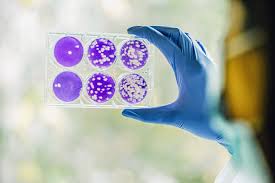

Biologic Materials Developed for Research and Scientific Context
Biologic Materials Developed for Research and Scientific Context
GGEVITYY focuses on the scientific study and responsible development of biological materials derived from human tissue sources. Our work is centered on supporting research, education, and scientific understanding related to biological materials and tissue biology.
Materials referenced on this site are ethically sourced and processed in controlled laboratory environments that follow established quality and regulatory frameworks. Donor screening and tissue handling procedures are conducted in accordance with applicable ethical and regulatory guidelines.
Information provided by GGEVITYY is intended solely for scientific, educational, and informational purposes. Content presented does not promote, advertise, or imply clinical use, therapeutic application, medical treatment, or patient outcomes.
References to laboratory standards, quality systems, or regulatory frameworks are provided for transparency regarding research environments only and should not be interpreted as claims of product approval, authorization, or intended clinical use.
Understanding Natural Biologics in Dental Research
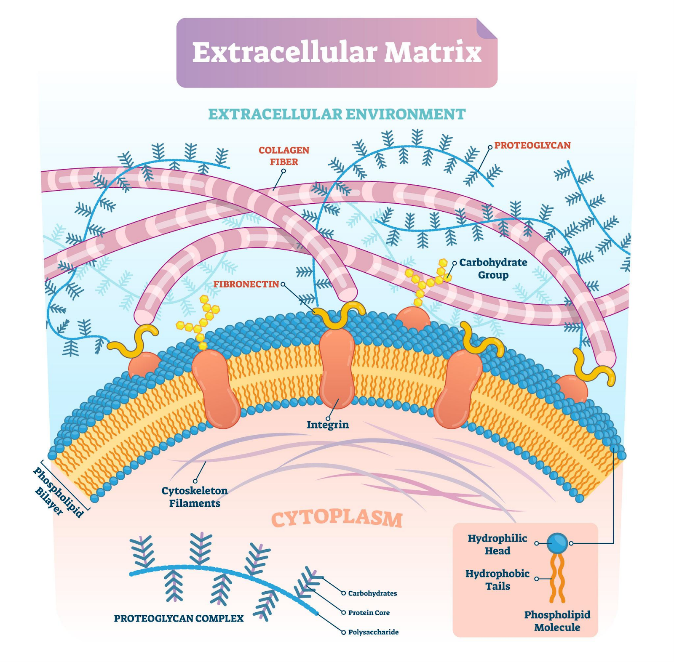
Peer-reviewed research has examined the biological characteristics of perinatal-derived materials in relation to craniofacial tissues, extracellular matrix composition, and cellular signaling pathways. This section provides referenced scientific context related to Wharton’s Jelly matrix and Umbilical Cord Exosomes as discussed in dental and craniofacial research literature. Information is presented for informational and research purposes only and does not constitute clinical guidance or treatment recommendations.
Laboratory environments referenced operate under applicable registration and quality system standards relevant to research and scientific processing. References to regulatory agencies or quality frameworks do not imply endorsement, approval, or authorization for clinical or therapeutic use.
Want to Speak to a GGEVITYY Team Member
To learn more about biologic research and educational topics?
Referenced Biologic Materials
GGEVITYY presents scientific context related to select perinatal-derived biologic materials that have been examined in dental and craniofacial research literature. The focus of this section is on referenced research exploring biologic structure, extracellular matrix composition, and cellular signaling mechanisms relevant to craniofacial tissues and oral biology. Information is provided for informational and research purposes only.
Current Areas of Dental & Craniofacial Research Interest Include:

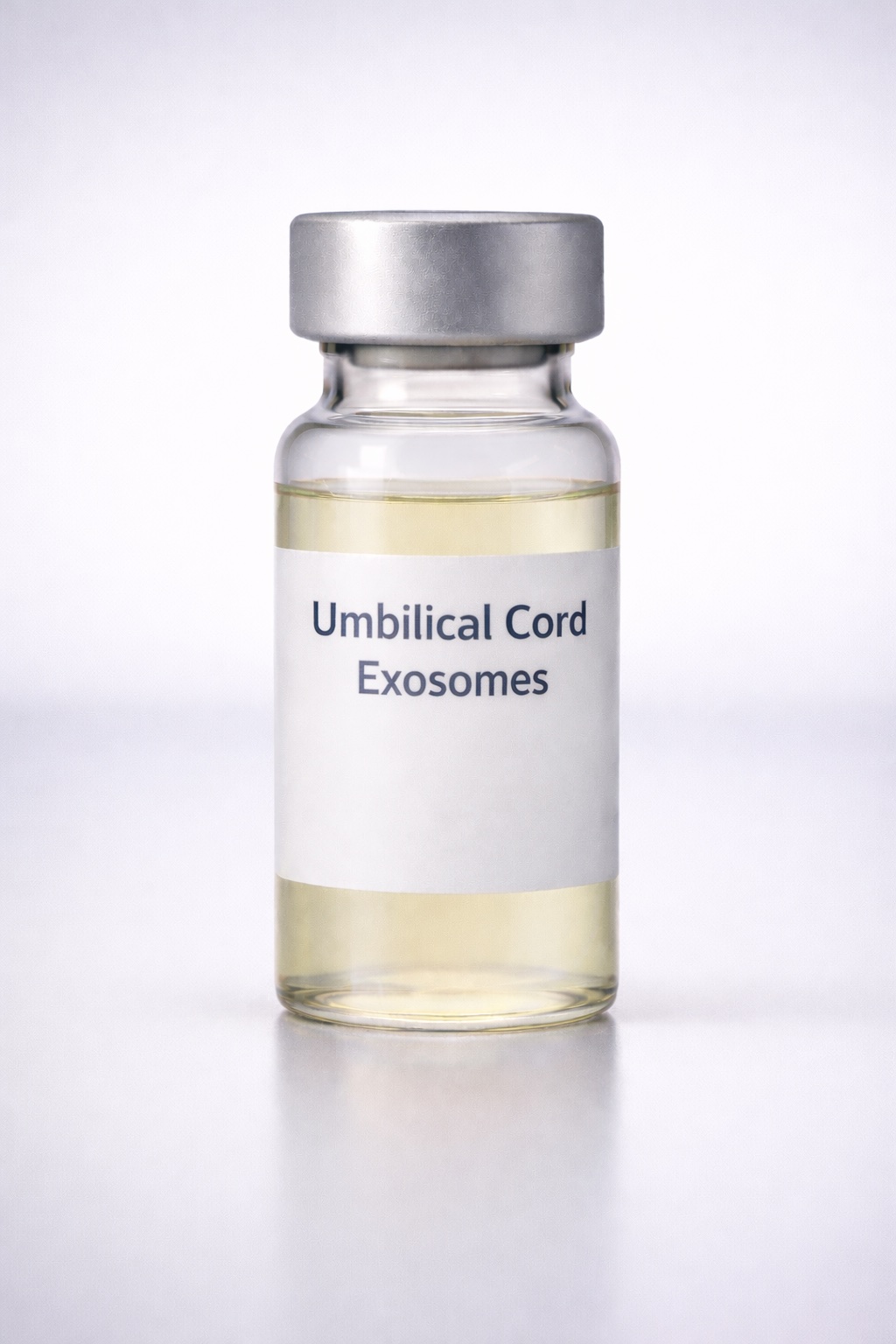
Referenced Research — Craniofacial Biology, TMJ & Bone Signaling
These citations provide scientific context on perinatal-derived extracellular vesicles and Wharton’s Jelly tissue within temporomandibular joint biology and craniofacial research settings. They are presented for informational and research purposes only and do not imply clinical advice or treatment outcomes.
Entering the field of biologic and biologic science research can be complex and evolving. GGEVITYY was established to help address these challenges by focusing on scientific understanding, educational support, and access to research-focused information.
Our approach emphasizes clarity, transparency, and responsible discussion of biologic science. By grounding our work in scientific literature and established research principles, we aim to support informed exploration and thoughtful engagement within the biologic research space.